Humans have an interesting hand dealt to them. On the one hand, they have massive brains and the ability to analyze and comprehend the natural processes around
them. As a species, they are very good at seeing patterns and making meaning of them. They can create tools and machines to use the resources their world has to
offer and leave their own mark upon it. But then there’s the other hand. The world they’ve created for themselves is complex and in the business of their day-to-day
lives, they get blinded by the need to eat food, get enough sleep, make money, and associate with other people. This often leaves them without room to ask questions
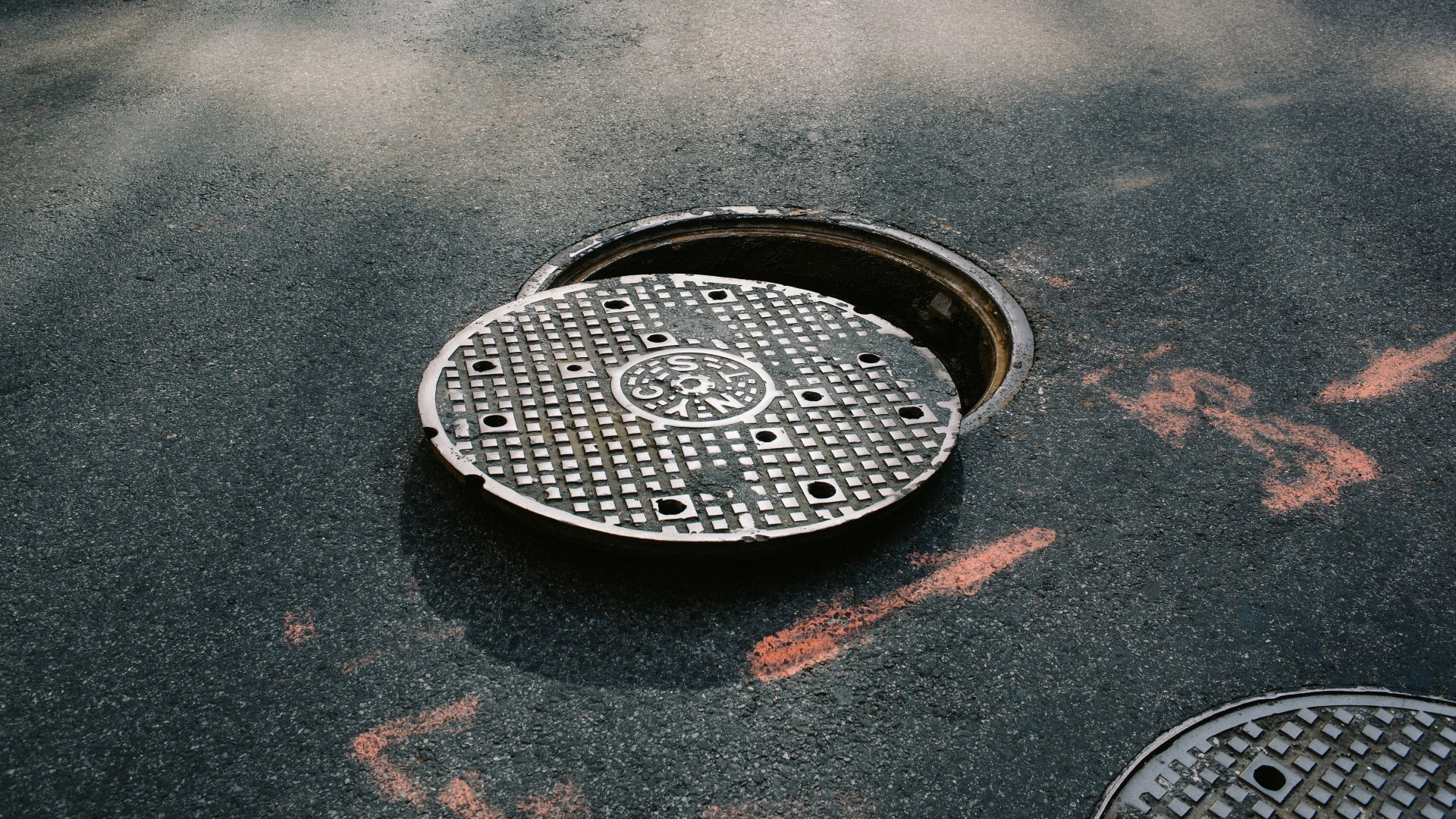
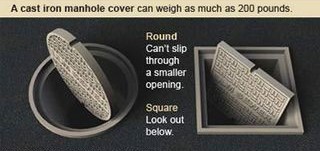
about why things are the way they are. Here’s a simple question to illustrate the point: Why is a manhole cover round (TED-ed, 2015)? No matter where one lives, manhole
covers are circular, but if people are going to climb down it, why isn’t it square or rectangular like a doorway? The answer to these questions can be discovered by
learning about curves of constant width in the following pages.
Explanation of Mathematics
Let’s break down the term “curve of constant width”. The curve part is simple – it just means the line segments making up the shape aren’t straight. But what does
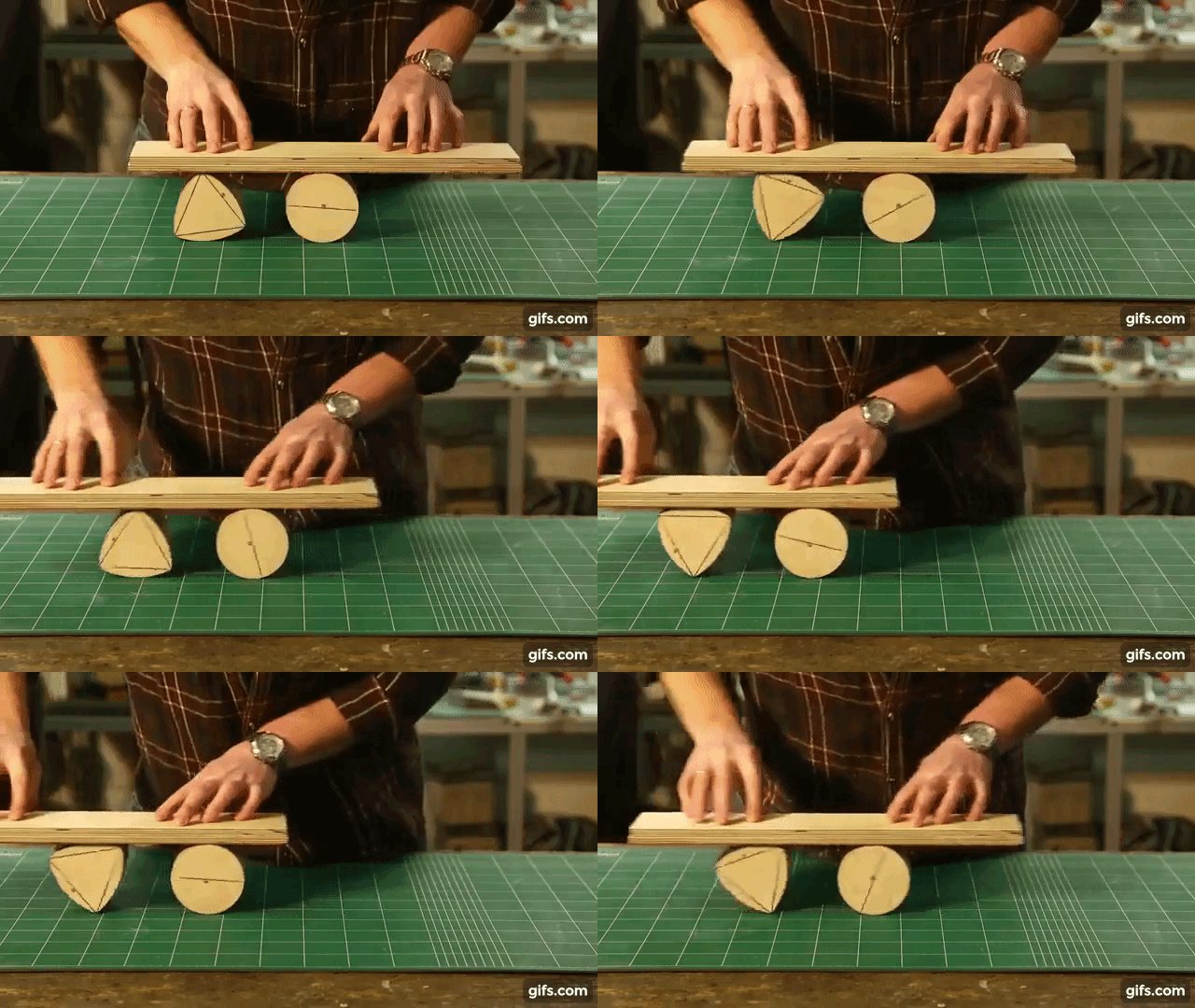
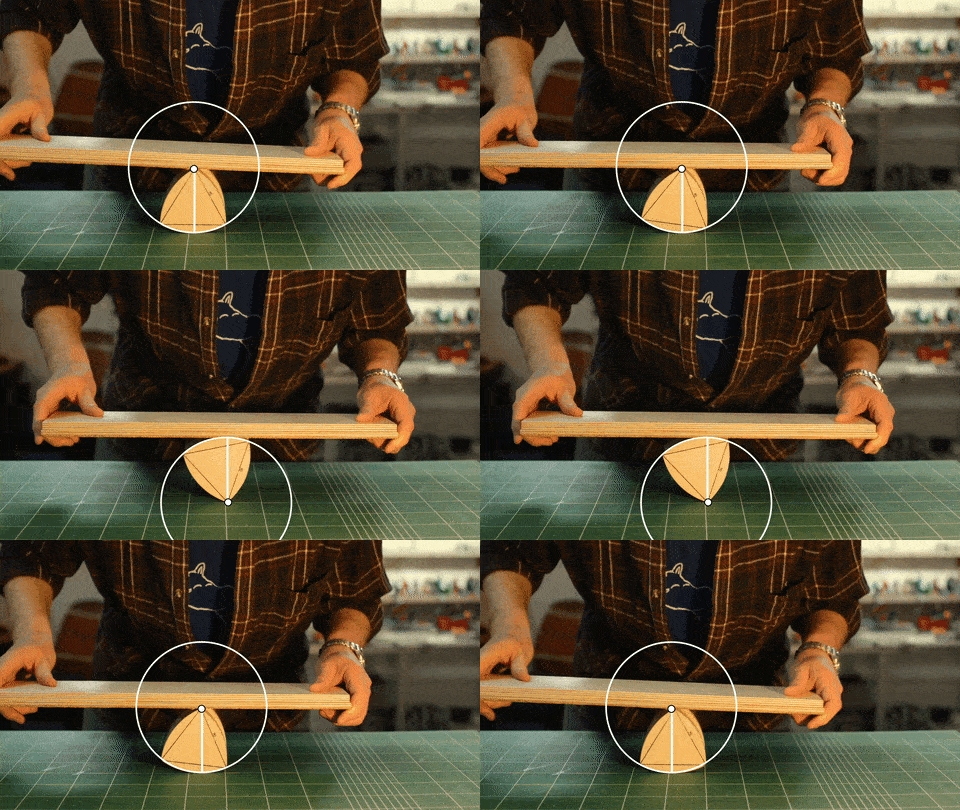
it mean to have constant width? The YouTube educator Numberphile (2013) gave an excellent explanation. Imagine a LEGO minifigure glued to a ruler. The ruler is a straight
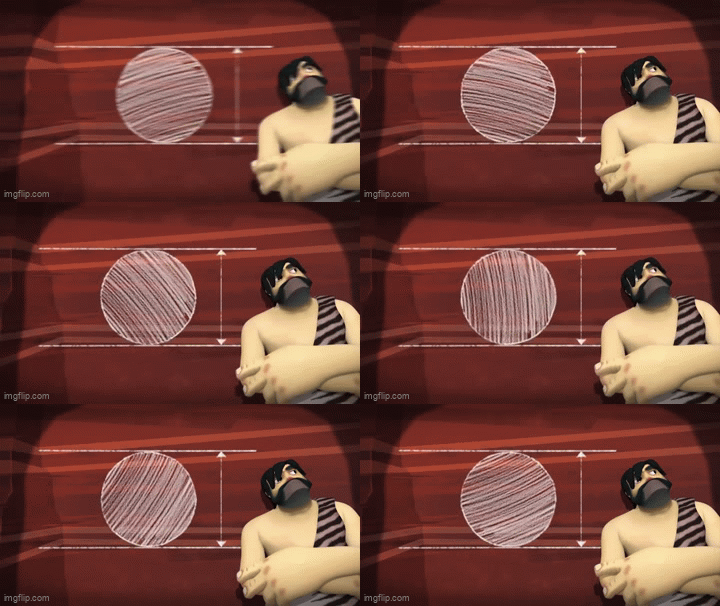
line parallel to the tabletop. The LEGO man wants to roll smoothly across the table surface, which means he needs wheels. Wheels are round, meaning they have constant
diameter. So, the ruler can roll smoothly across two circles, but what if he doesn’t have circular wheels? Would squares, hexagons, or other polygons work?
Intuitively, most people know noncircular wheels are a terrible idea, but the mathematical way to describe the issue at hand is that noncircular shapes don’t have constant width.
If a square or hexagon were used as a wheel, the distance between the ruler and tabletop would change as the shape rotated, making for a bumpy ride and wasted energy.
Now that understanding of the term “curve of constant width” has been reached, the natural follow up question is asking what, if any, shape besides a circle fulfills
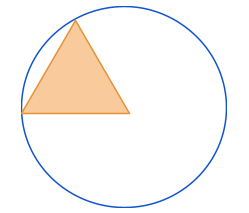
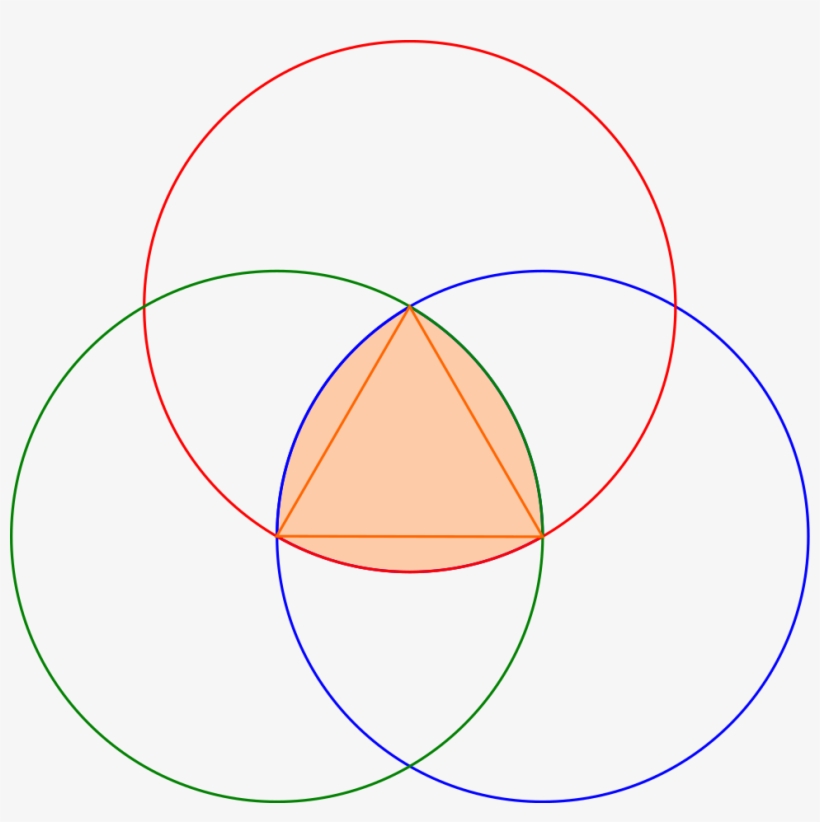
the requirements. Rest assured, more shapes of constant width exist, but to understand them, it may be helpful to begin with constructing one. Take any equilateral
triangle. Using a compass centered at one of the vertices, draw a circular arc that intersects the other two vertices. Repeat this process for all three vertices and the
constructed arcs form the most famous shape of constant width, the Reuleaux Triangle (rad-head, 2018).
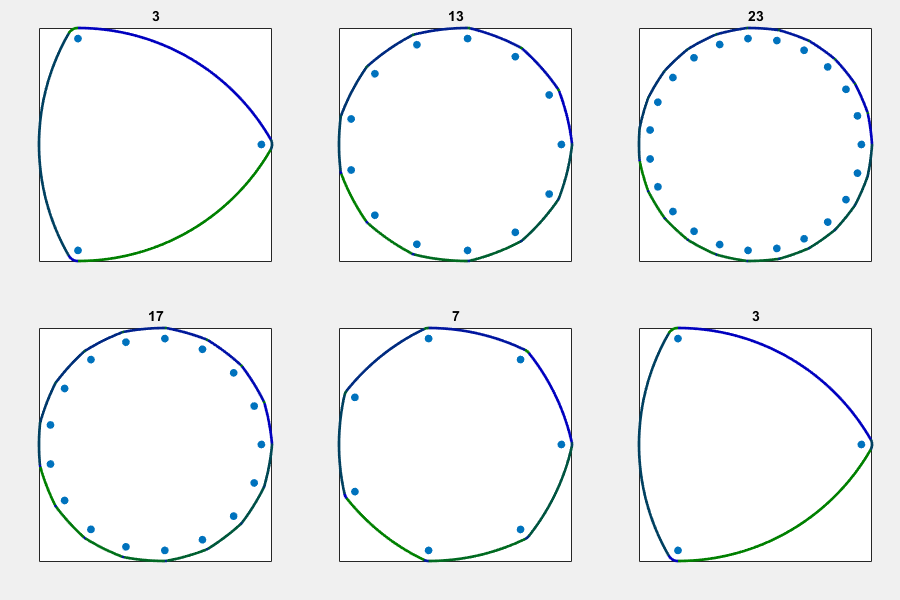
The Reuleaux Triangle is the simplest shape of constant width, but the same construction process can be repeated for any odd sided regular polygon. In these cases,
after centering the compass at a given vertex, a circular arc is only formed between the two points opposite the vertex and repeated for all remaining vertices. Due to
this construction process, curves of constant width don’t ever have an even number of edges.
One may be wondering if a curve of constant width can be formed for odd-sided polygons that aren’t regular, and the answer is yes! Say one takes a different triangle,
whether it be isosceles, scalene, or right. Label the vertices, A, B, and C and extend the lines of the triangle beyond the corners. Make an arc centered at A between the
extended lines BA and CA. Make a second arc centered at C with a radius set so it meets the first arc at the line CA, then extend the arc to the line CB. Repeat this
process for the next four arcs, and an irregular curve of constant width is the result (Shapes of constant width, n.d.).
A major part of geometry is discussing the perimeter and areas of shapes, but how does one go about solving that for such a shape as the Reuleaux triangle? It must be
remembered that this shape is constructed from three arc lengths, so perimeter is easily calculated. Recall the formula arc length=2πr(θ/360). Since the equilateral
triangle has interior angles of 60 degrees, one arc length equals 1/3 πr. Since there are three arc lengths, the total perimeter of the Reuleaux triangle is πr. But “r”
in this case is the radius of the circles used to construct the Reuleaux triangle, not the radius of the shape itself. In this case, it actually describes the diameter of
the special triangle. This means that like a circle, the perimeter of a Reuleaux triangle is equal to pi multiplied by its diameter. This property doesn’t just apply to
triangular curves of constant width either. Mathematicians have proved Barbier’s Theorem, which states that the perimeter of any curve of constant width is equal to pi
times the diameter (TED-Ed, 2015). A subsequent theorem states that if you have many different curves of constant width of the same width (diameter), they will all have
the same perimeter, but the Reuleaux’s triangle will have the smallest area, while the circle will have the largest area. This helps one to envision a circle as a curve
of constant width with infinite sides, which is frankly mind blowing.
For the final mathematical explanation, it is necessary for one to explore how curves of constant width roll and rotate. Think back to the example given at the
beginning of this section with the LEGO man on the ruler. Would rolling the ruler atop a Reuleaux triangle result in smooth or bumpy transport? It turns out that the
trip would be smooth, which feels unintuitive. But remember how we constructed this shape in the first place. The YouTube educator Rad-head explained in a 2018 video
that if our shape of constant width is rolled between two planes, one plane is always in contact with a vertex and the other plane is always in contact with its
corresponding arc length, which is a constant distance away from the vertex.
So, rolling works seamlessly and ends up being quite satisfying to watch, but why then aren’t
there cars or bikes with Reuleaux wheels? The answer lies in the way wheels work. The chassis of a car doesn’t roll atop the wheels, it has axles that intersect the center
of the wheels. The wheel rotates around a fixed point in the middle of the circle. But if you look at the centroid of a Reuleaux triangle, it doesn’t stay fixed while
rolling. Instead, it moves up and down in a wavelike motion, which makes it hard to use with axles (Adhwa, 2022). Explore this idea using the applet below. Admittedly,
the frame of the tractor doesn't move up and down, but look at the center of the Reuleaux wheel. Toggle the "Show Trace" button in order to see the path the centroid as
the tractor moves and ponder how this would impact the ride.
History and Background
Curves of constant width are one of those ideas that have been discovered independently by many different people. Wheels have been around for thousands of years,
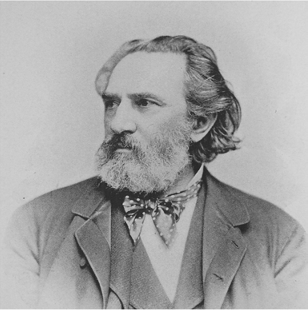
so attributing the discovery of a circle to one culture or individual is impossible. But how about the other shapes? Why is a Reuleaux triangle called that? Moon (2007),
taught that the name comes from Franz Reuleaux, a German mechanical engineer.
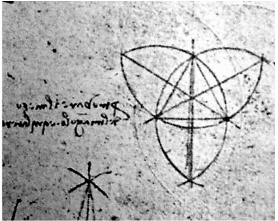
It wasn’t that he discovered the unique shape, in fact there are drawings in Leonardo Da
Vinci’s notebooks that show he constructed them hundreds of years before Reuleaux. And the famous mathematician Leonhard Euler studied them extensively, writing formulas
and proofs about them in Latin. The reason Reuleaux got the honor is that he brought the shape out of theory and applied it to real life. Reuleaux was an educator and
sought to apply the purity of mathematics to machinery instead of relying on trial and error. While he never created anything complex, he did make models showing the
properties of his triangle and passed it on to future generations. He is quoted by Moon to say “the thorough understanding of old mechanisms is even more important than
the creation of new ones”, and as one will see in the next section, this is true for curves of constant width.
Significance and Applications
This article began by asking the question of why a manhole cover is round. Hopefully the answer has become clear after learning about the properties of curves of
constant width. The world uses circular manhole covers, not just because they are easy to roll and fit into the slot in any orientation, but because there is no risk
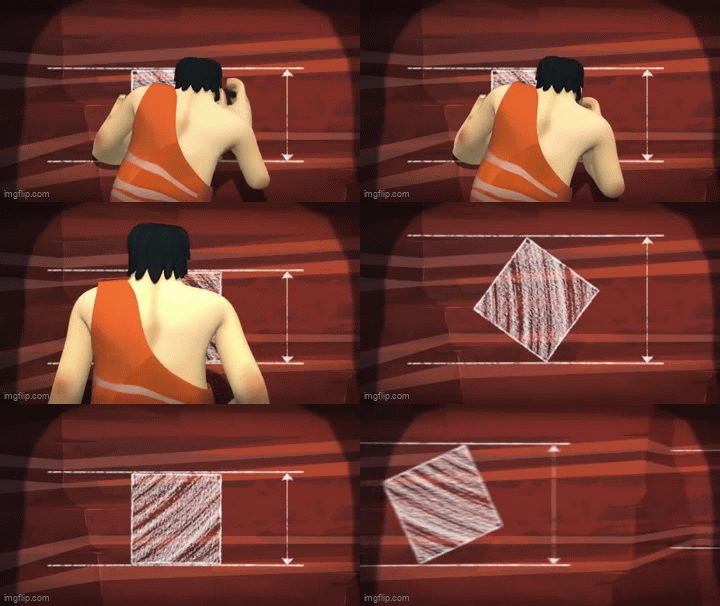
of it falling on anyone down below. If society switched to square manhole covers, maintenance crews would become instantly aware that the cover can easily fall in if the
shape is rotated just right on the diagonal. Theoretically, manhole covers could be more than just circles, but practicality prevents Reuleaux triangle covers
(Ted-ED, 2015).
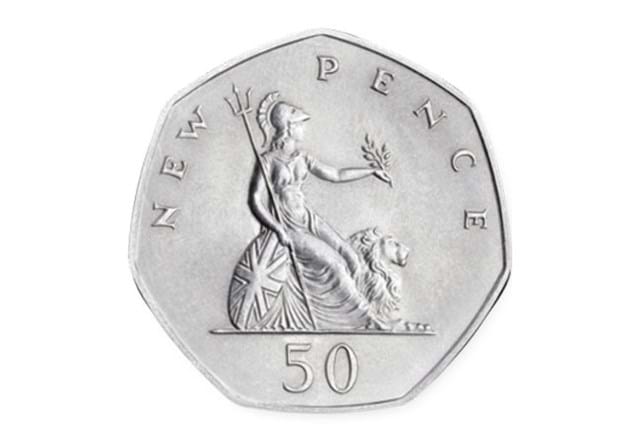
The same logic doesn’t apply to coins, however. Some countries, such as the UK and Canada, have minted coins that aren’t the standard circles used here in the United
States. Canada has an eleven-sided version for their one-dollar coin and the fifty pence coin in the UK utilizes a heptagon. There are benefits to having these
unconventional shapes. Moler (2019) reports that these shapes are harder to counterfeit and Adhwa (2022) states further that the different shapes make it easier for the
visually impaired to identify coins of similar size, weight, and thickness. The constant width property of each coin, however, means that they slide easily into vending
machines and can be read by the machine as well.
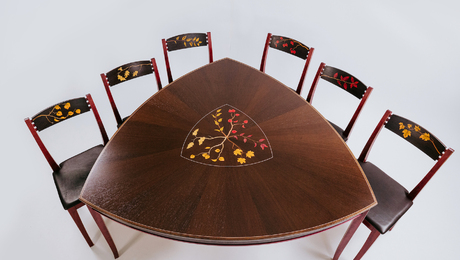
The article Reuleaux Triangle published by Aberystwyth University shows that their college uses Reuleaux Triangle tables to allow for small group work. The three arcs
bulge outward, allowing for more space yet taking up less area than a circular table and allowing chairs to be placed on a definite side. They’re aesthetically pleasing
and popular with students and faculty.
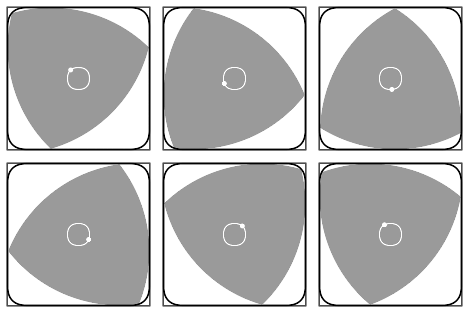
Kunkel (2015) shows how bounding a Reuleaux triangle in a square allows it to touch all four sides, rotating in such a way that the centroid follows a small circular
path. Engineers have applied this to drill bit technology, allowing square holes with rounded corners to be made with a Reuleaux drill bit. Another industrial application
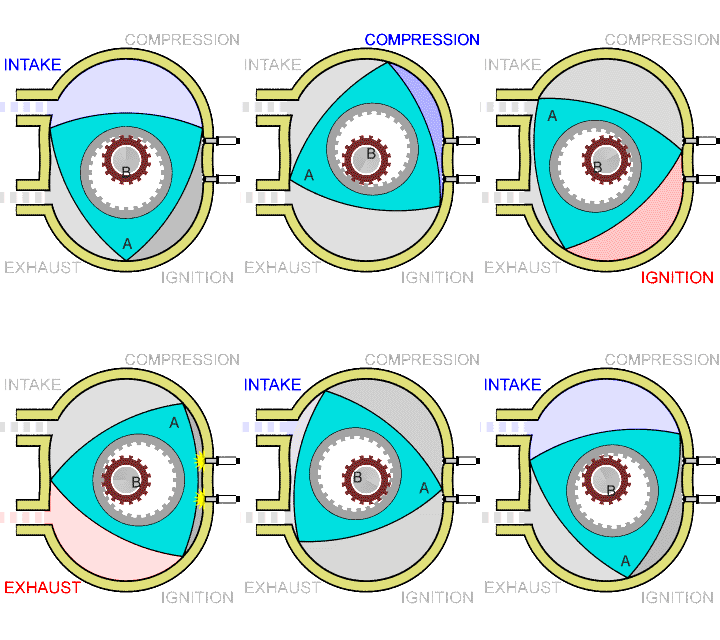
is the Wankel Engine, which utilizes a Reuleaux triangle inscribed in an oval to perform internal combustion as an alternative to pistons and cylinders. Because it makes
contact with all sides of the oval, fuel injected air can be compressed and exhaust released with less moving parts than a standard engine.
Finally, curves of constant width are applied by creative people seeking to entertain or provide novelty to the world. Adhwa (2022) shows a video where one man created
a bike with movable axles, allowing Reuleaux triangle and pentagon wheels to be utilized.