The origins of the earliest chess games are debated, but the earliest evidence suggests it was invented around
the 6th century CE in a form called Chaturanga. This game was created in India and was one the earliest precursors of
chess as we know it today. Chaturanga was played on a 64-square board and had the necessary features that link it to chess,
such as “different pieces have different powers (unlike checkers and go),
and victory was based on one piece, the kind of modern chess” (Soltis, 2025).
Chaturanga then gradually changed into the game commonly known as Shatrangj (or Chaturang)- a two-player game played
in many parts in Asia including Persia (modern Iran), India, Pakistan, Afghanistan, and Central Asia. “Shatranj in mediaeval
times went under as much learned scrutiny as chess does today” (Shatranj, 2015). A game of Shatranj added a new piece and was
won by eliminating all of an opponent’s pieces or by capturing the opponent’s king. Does this sound familiar? As the game spread and there
were other adaptations made to it such as arranging your formation on a series of intersections on the board instead of inside the squares themselves.
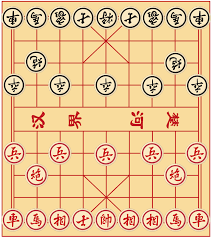
Over time, the evolving forms of Shatranj spread eastward into China, where they transformed into the version of the game,
we now call Chinese chess. This is a “Chinese game, resembling chess, played on a board consisting of two halves, each 8x4 with a
strip separating them: pieces representing the military of ancient China are places on the intersections for the lines and the game is
won when a general is checkmated” (Keriger & Fierro, 1995).
This game is still widely popular within China and other parts of Asia today.
After that Chinese Chess and what we know chess to be today kept evolving, both from the origin of Chaturanga. Rules were being proposed and “by 1300,
the pawn had acquired the ability to move two squares on its first turn rather than only one time as it did in Shatranj” (Soltis, 2025). In chess, a pawn
is the smallest and most common piece, and its movements are very limited compared to the others. The evolution of the game’s pieces—how they looked and how
they moved—also altered major features of chess, especially the development of the Queen. Originally there was a Counselor piece, but as the game was revised over time,
the Counselor became much more mobile, thereby becoming the most powerful piece on the board: the Queen. This change to the set design drastically changed the game specifically
when it came to pawn promotion, which is when your pawn reaches the other end of the opponent’s board and you can upgrade it to be any piece on the chess board besides a King,
(Pawn promotion – chess terms 2007).
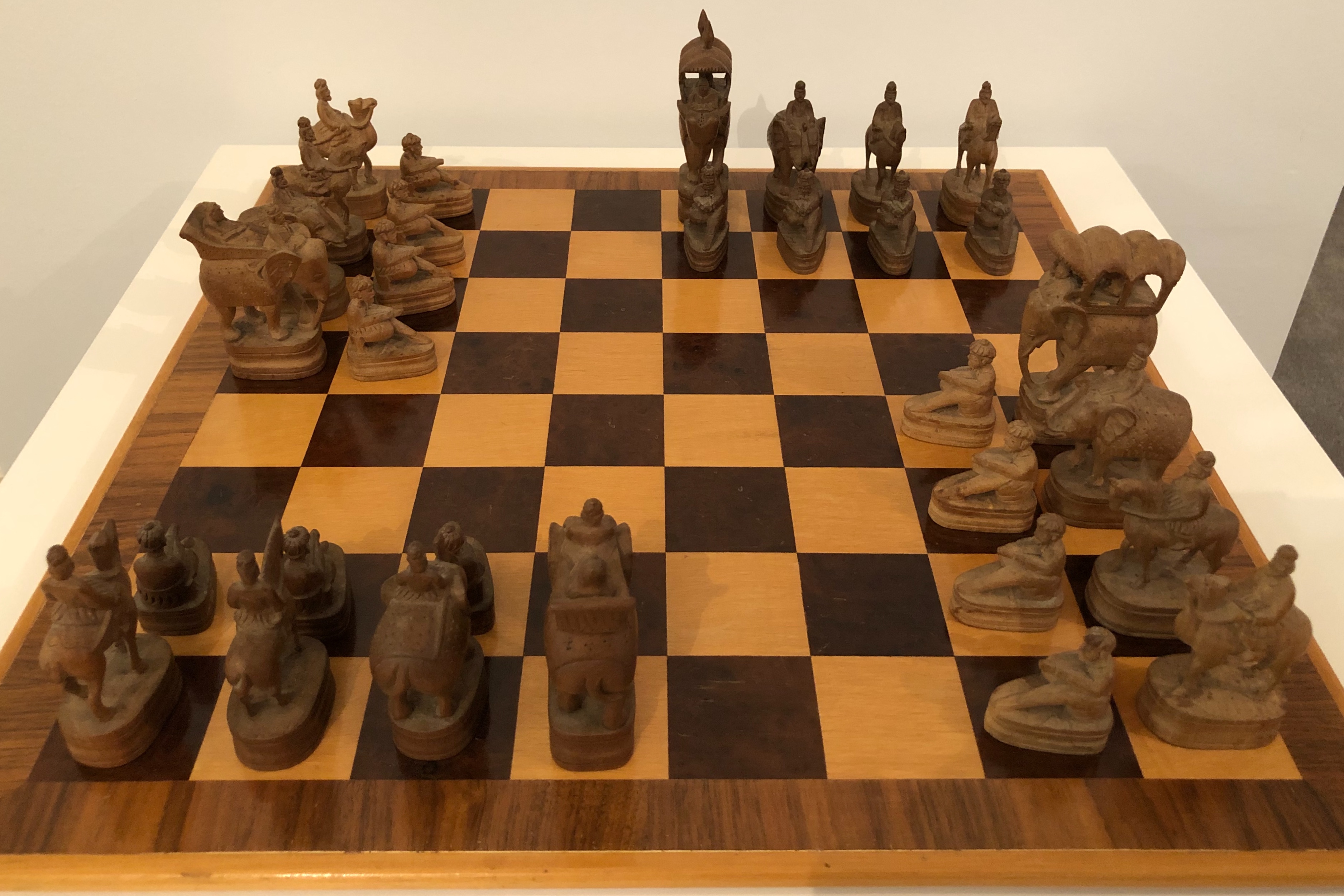
There were lots of changes in the design of Chess pieces. When it was first introduced most of the pieces were made of clay,
but overtime people made sets with detailed carvings of different living things like animals, warriors and nobles. Around the
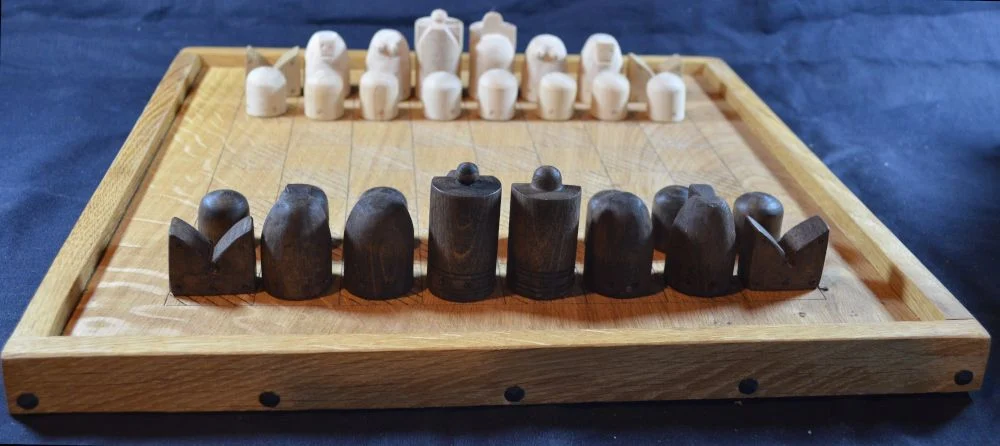
9th century when chess was spread to Muslims, the chess pieces again became very simple due to Muslim beliefs of prohibiting images
of living creatures. This shift back to simpler pieces is considered a major factor in the game’s rising popularity, because the pieces
were easier to make and “having the simpler pieces redirected the players’ attention from the intricate pieces to the game itself” (Soltis, 2025).
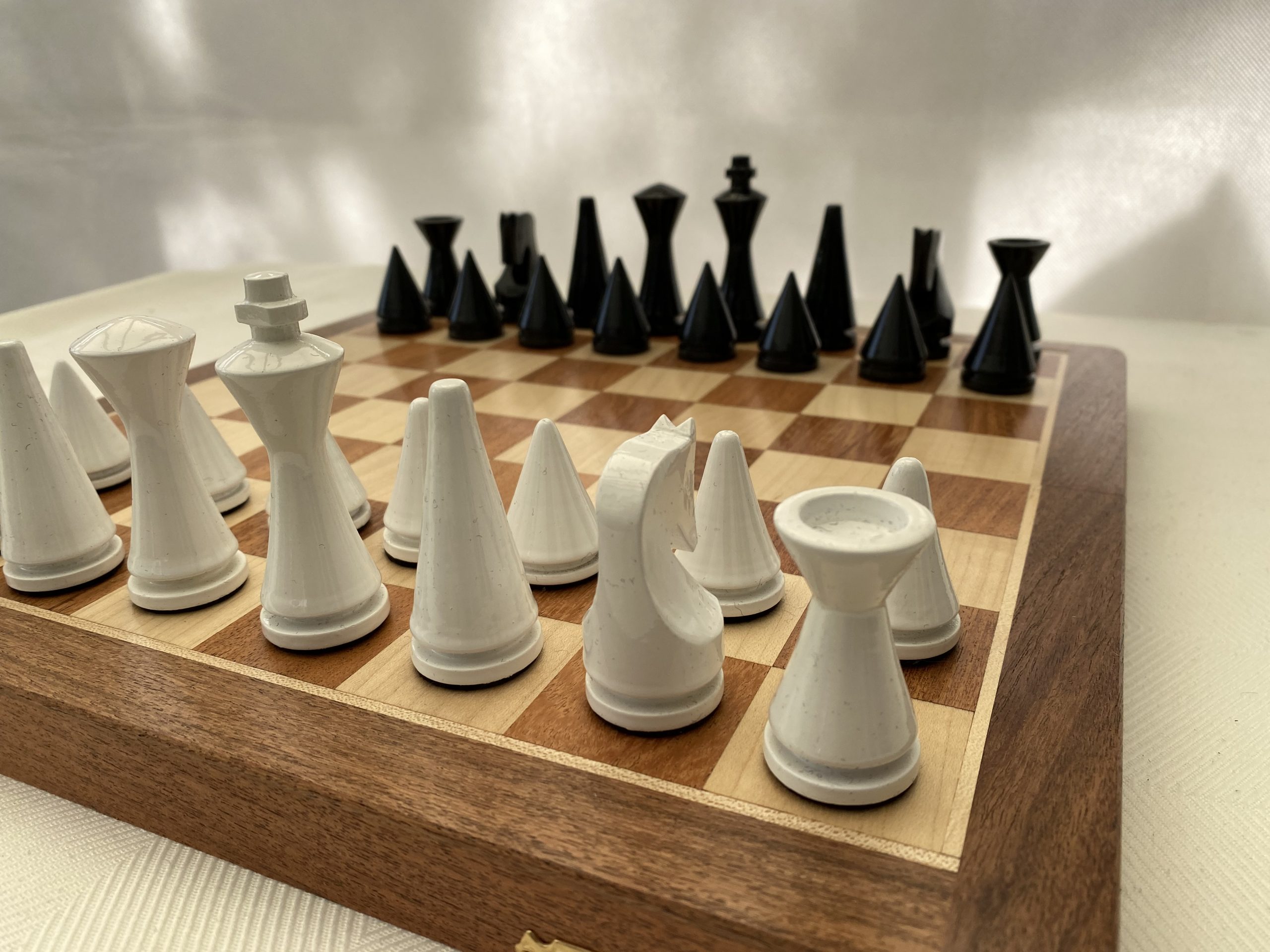
In about 1835 the standard for the modern set we all know and love was established by Englishman Nathaniel Cook,
and then was patented in 1849. The design was endorsed by the World’s Best Player at the time, which was Howard Staunton,
and today only sets based on his design are allowed in the international competitions.